Free trade ticket check

HVAC plumbing electrical books cleanup. Name the blank ticket.

Four taps. Name the ticket on that deposit.

The notice arrived before the job word.

Question 1 of 4

What is sitting in the bank?

Question 2 of 4

Which word is missing on the pad?

Question 3 of 4

What kind of money landed?

Question 4 of 4

When should those tickets be named?

The ticket check can start. Where should we reach you?

    You will be talking to the Steven Palmieri practice.

    Next you pick a time for a free video call with the Steven Palmieri practice. Nothing to sign, nothing to pay.

    Prefer to read first? It's all below ↓

    HVAC Plumbing Electrical Books CleanupThe books match the tickets.

    A deposit lands in the bank before anyone writes down which job it was for, and the job word, house, office, new build or maintenance, decides the sales tax. We match every deposit to a ticket and every ticket to its word, close the month to the bank, and prepare the return from months that match. Steven Palmieri, the Tax CFO, keeps the file; payday stays on the provider you run.

    A blinking cursor after the words a trade owner typed

    Which ticket is blank.

    Steven Palmieri, Tax CFO

    You will be talking to the Steven Palmieri practice.

    Start with a ticket
    An unnamed ticket becomes a named one
    Open the sheet that names one ticket

    Before the job, and after

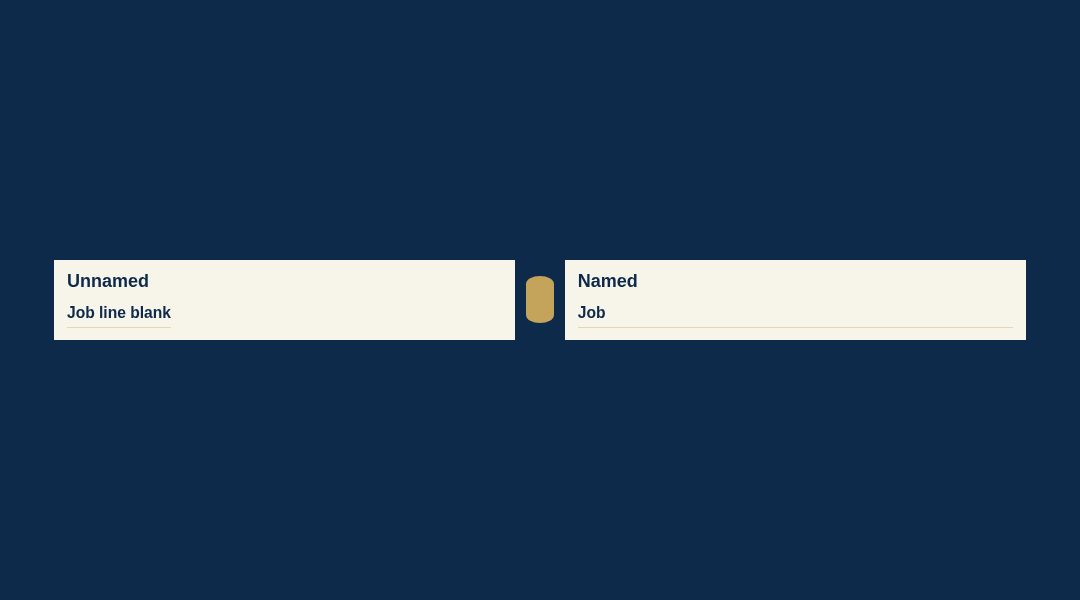
    The first sheet is the unnamed ticket. The second sheet is the named one.

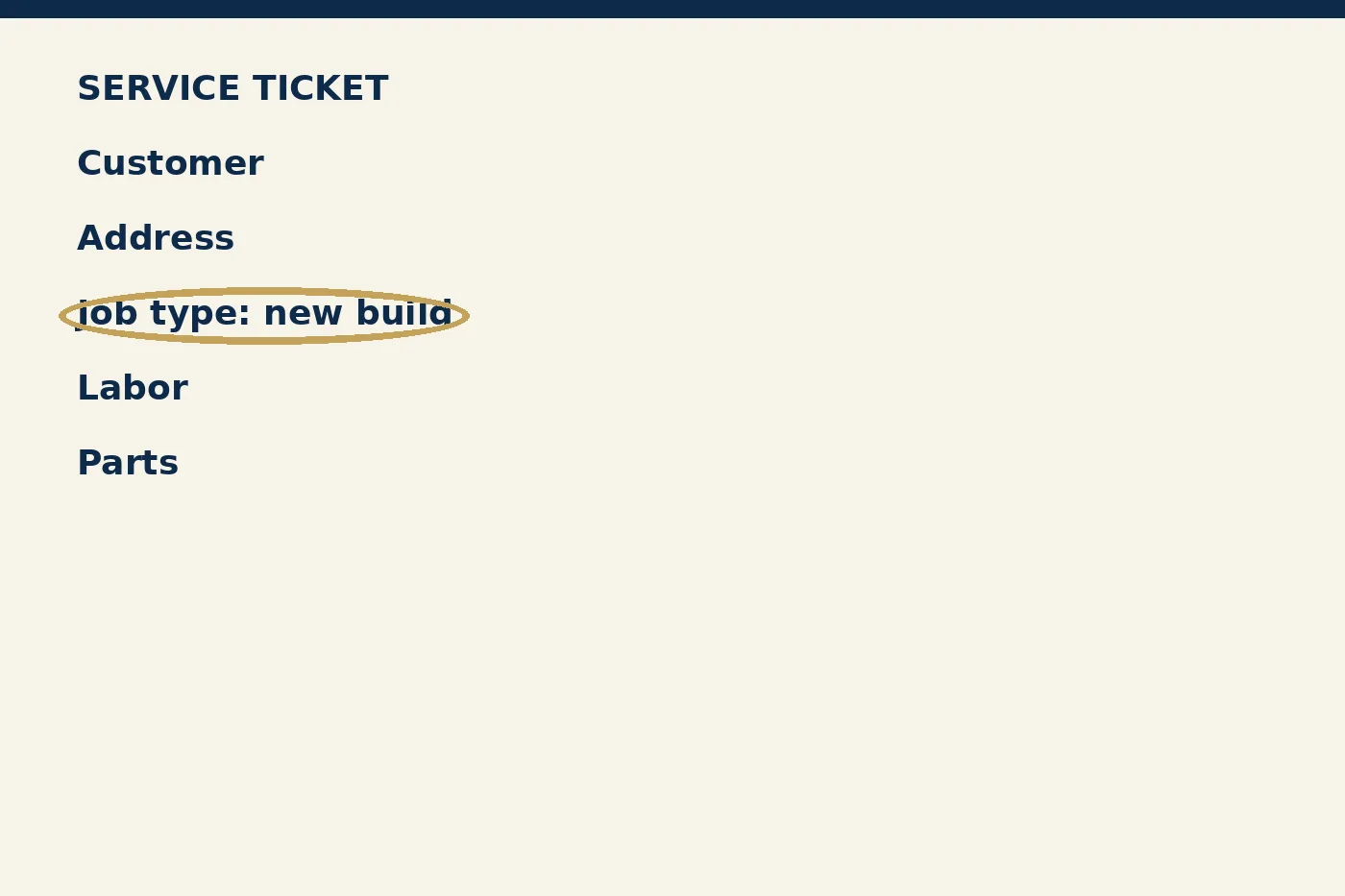
    1. Before the job is named

      1. The job line is still blank.
      2. The deposit is already called income.
      3. Office labor and parts share one price.
      4. A house call is taxed like a shop.
      5. The checkup has no readable schedule.
      6. A letter wants a signature here.
    2. After the job is named

      1. The ticket names one of the four jobs.
      2. The deposit stays unearned until invoiced.
      3. Labor and parts split with the contract.
      4. A house call and a shop are taxed apart.
      5. The file shows the visits were scheduled.
      6. The signature goes onward. The close stays.

    What we want each mixed line to say.

    Read both sheets

    What the four jobs do to the tax.

    A deposit can hit the phone while the truck is still in a driveway, and the pad on the dash still has a blank where the job word belongs. We know that stretch. A week like that stacks deposits, and each ticket still has to name its own job or the month closes on a pile.

    Publication 94-116 already separates four amounts on a contractor ticket. Residential repair labor is not taxable. Commercial labor and materials are taxable together. Scheduled maintenance labor is not taxable. Incorporated parts are taxable. We write those four in the words an owner uses on a ticket, and we do not add a trade-association margin the publication does not state.

    The worry on a hot week is ordinary. The truck was busy, the deposits landed together, and nobody paused to say which call was a house and which call was a shop. The books do not need a new kind of invoice for that week. They need the word that was already true on the day of the call.

    Send one ticket and say which of the four it was. A photo from the truck is enough. Prices can stay covered. The job line cannot.

    A house call beside an office repair.

    The phone can show the deposit before the pad shows the job. A house call and an office repair can share one afternoon and one bank line. Nothing on that screen says which call it was. The ticket has to, or the two jobs stay one number.

    Residential repair labor is not taxable. The lump sum or separated contract rules in the same publication decide the materials. A hospital, a shop, a restaurant, or a retail floor is the nonresidential case the publication names. Hotels, and a residence rented for less than 30 days, do not get the house-labor treatment.

    On a commercial repair the total charge is taxable, labor and materials, whether the contract is one price or split. A building permit fee the contractor pays for the customer, stated on its own line, may sit outside that taxable total. State tax is 6.25 percent. Local tax can bring the combined rate to no more than 8.25 percent. The local piece is in publication 94-105.

    A house ticket can show labor unmarked by tax. An office ticket can show the whole charge marked, with the permit line visible. Those two photos are not the same month, even when they landed in the same deposit on a Friday.

    When a deposit is still waiting.

    The deposit notice on the phone arrives before the ticket is ready, and the work moves when the job is written, not when the bank posts. We know that kind of wait. A customer deposit should wait the same way, until the job on the ticket is actually finished.

    Progress bills, deposits, and the final invoice have to say whether the job is new construction, residential repair, nonresidential repair, or maintenance, because that word changes who owes the sales tax. Publication 94-157 says a contract that requires progress bills to state labor and materials separately is a separated contract even if someone thinks of the job as one price.

    The books keep customer deposits unearned until the invoice earns them. Sales tax is not netted into revenue on a separated bill. A deposit that has not been invoiced can sit with the word unearned on it, amount covered, until you send it. Calling it income on the day it hits the bank is how a hot week becomes a bad year.

    Picture a maintenance visit and a broken commercial unit in the same deposit, with the customer money already in revenue and no job written on either ticket. The picture stops before an entry. No company name and no dollar of ours. The question is whether the picture is yours.

    Maintenance is not a broken unit.

    A maintenance contract that renews in January is a poor week to discover a shop repair was taxed like a house call. The contract and the broken unit are different jobs. The ticket has to say which one the deposit was for, before the month is closed.

    A maintenance agreement and a broken unit are different invoices. Maintenance, in the publication, is scheduled, periodic work on real property that is not broken, done to keep it from wearing out. That charge is not taxable. The contractor pays tax on taxable items bought to do the work, and incorporated repair parts are taxable.

    The file needs a contract or some other record that the visits are scheduled and periodic. Replacing a belt during maintenance is the publication's example of a minor part that stays maintenance. A rebuild or an upgrade of something already broken in a nonresidential building is the repair the publication taxes. The belt and the rebuild do not belong on one undifferentiated line.

    Send the agreement and one visit invoice. If the visit was a no-cool call in August rather than the spring checkup, say so. August heat does not rewrite the rule. A schedule the file can show is what decides it.

    What new construction labor does.

    New construction labor is not taxable. The publication includes building new structures, completing unfinished structures, the initial finish out, and building or remodeling houses, duplexes, apartments, nursing homes, and retirement homes. It leaves hotels off that residential list.

    On a lump sum new build the contractor is the one who pays tax on what was bought, and the customer is not billed that tax. Under a separated contract the contractor collects tax on incorporated materials and on surveying, landscaping, final cleanup, and security systems when those charges are separately identified, and does not collect tax on the construction labor.

    A draw on a new build can show labor unmarked, with the amount covered when you send it. The next question is whether the draw was really new construction or a remodel of a shop that was already open. Those two draws feel similar on a busy Thursday. They are not the same tax.

    Real property services are their own list of six in publications 96-259 and 94-157. Landscaping, lawn and plant care, garbage and other solid waste removal, janitorial or custodial service, structural pest control, and surveying. A trade contractor who folds those services into a new residential build uses the homebuilder rules. The same services on a commercial repair ride with the taxable real property service rules.


    What the air license asks the close to notice.

    These facts are the department's application page, not advice about whether a company qualifies. An air conditioning and refrigeration contractor application asks for at least 48 months of practical experience in the prior 72 months under a contractor who already holds the air license, or a technician certification held for the past 12 months plus 36 months of experience in the prior 48 months. The applicant must be at least 18. The new license fee on that page is $115 and the license is valid for one year.

    Class A insurance minimums on that page are $300,000 per occurrence, $600,000 aggregate, and $300,000 aggregate for products and completed operations. Class B minimums are $100,000, $200,000, and $100,000. A person who holds both classes may use one policy if it meets the Class A minimums. The seasonal call is the first hot week or the first freeze. The compliance call is the insurance lapse.

    This practice holds none of these trade licenses. We notice whether a policy period sits beside the license expiry. We do not tell you that you qualify, and we do not shop the policy. Say whether the air license is active. A photo of the declarations page, with the insured name covered, is enough to start.

    The master named on the electrical company.

    An electrical contractor license requires a master electrician of record. The department says that master may be assigned to only one electrical contractor unless the master owns more than 50 percent of the business. Liability minimums on the application page are $300,000 per occurrence, $600,000 aggregate, and $300,000 products and completed operations aggregate.

    The contractor also files proof of workers compensation, a certificate of authority to self insure, or a statement that the company elected not to carry workers compensation and filed the Department of Insurance notice. A glance sheet from the department lists a master electrician license fee of $45 and an electrical contractor business license fee of $110. The master path includes a journeyman license held at least two years and at least 12,000 hours under a master, plus the required state exam.

    Say whether a master is named. A line on the application, name covered, assignment count visible, is the document. We do not hold that license, and we do not sign the application. The close only needs to know the name is on file before a commercial ticket is treated as finished work.

    The plumber the board wants on file.

    A company that offers plumbing to the public must have at least one Responsible Master Plumber and a current certificate of insurance on file with the state board of plumbing examiners. Licenses renew annually. Licensees complete six hours of continuing professional education to renew. A journeyman may test for master after at least two years, or after at least one year plus a United States Department of Labor apprenticeship program.

    The application material lists a $225 nonrefundable designation fee and says a certificate of insurance must be on file. The dollar limits of that policy were not readable in the text captured for this folder, so no insurance amount is stated here. An insurance dollar figure the captured page did not show is left off this page on purpose.

    Say whether a Responsible Master Plumber is on file. A designation line and a renewal month, name covered, are enough. We do not sit as the Responsible Master Plumber on these shops. The month can still notice the renewal the way it notices a permit fee, as a date on the calendar rather than as advice.

    Two mileage rates in one truck year.

    The IRS business mileage rate is 72.5 cents a mile from January 1 through June 30, 2026, and 76 cents from July 1 through December 31, 2026. One rate for the whole year will not match the page. A mileage log can show the July switch, with the miles covered when you send it.

    Subcontractors who are not employees are Form 1099-NEC payees for 2026 once payments for services, including parts and materials, exceed $2,000. Helper crews paid in cash still belong on payroll if they are employees. A 1099-NEC records the payment and does not classify the helper. Payroll opens on a provider the company already controls, and this practice does not become the payday desk. We do not run payday, and we do not decide the classification for you in a sentence on a website.

    A personal truck and a company van are not the same log. If the technician drives a personal truck to house calls, the log is the document. If the van is on the company books, the question is fuel, repairs, and who holds the title, not a blended cents-per-mile guess that ignores the July change.

    The election before the truck is bought.

    The federal return still has to name the election for a truck bought this year, and a condenser order is different property from that truck. No one on this page can say which election the company already made. That answer is in the prior return, and it should be on the table before October is gone. A printed savings number from another company does not belong in this file.

    Beginning in 2026, federal bonus depreciation is a choice the return has to show on its own lines. For a taxable year beginning in 2026 the Section 179 ceiling is $2,560,000. It begins to fall once property placed in service passes $4,090,000. No sport utility vehicle in that expensing is counted past $32,000.

    The election is first. Name the company entity and the election before the trade report. A truck bought in the hot months and a condenser inventory are different property. The page can say the ceilings. It cannot say which election your company already made. That answer is in the prior return, and it should be on the table before October is gone.

    What a finished month has to show.

    Every ticket named. Deposits still unearned if the invoice has not earned them. Sales tax not folded into revenue on a separated bill. The license insurance noticed, not advised. October is when those names can still be read before the year ends. One practice holds the month and the return, so March is not the first time a stranger meets the file.

    The first month with us is usually the one that is still open, not a reconstruction of the whole prior year on day one. We size the older months so the month that is still open is not rushed in order to hide them. You will see the four job words on the tickets we touch, the unearned word on deposits that have not been invoiced, and a payroll provider opened in the company name if payday was a stack of cash and guesses.

    What it costs depends on the file. The work changes with the bank accounts, the tickets still open, the deposits that arrived early, and the entities that share one close. A printed average would describe a stranger. This page has none.

    The price conversation happens after we have seen a week of tickets, not before. Bring the week. Prices can stay covered. The job line cannot.

    The sources behind the four amounts.

    The four amounts are publication 94-116. Progress bills and unearned deposits are publication 94-157. The six real property services are publications 96-259 and 94-157. The state rate and the 8.25 percent combined cap are on those pages, with publication 94-105 for the local piece. The air conditioning application is the licensing department's contractor page. The electrical facts are that department's contractor application and its electrician glance sheet. The plumbing facts are the plumbing examiners' materials around the Responsible Master Plumber application.

    Mileage rates and the information-return threshold are the IRS pages for standard mileage and for who must file an information return. The Section 179 amounts are the IRS revenue procedure. When a sentence here parts ways with the publication, we change the sentence.

    No client file was used to write any of this. The maintenance visit beside a broken unit is a shape, not a company. If the shape is yours, the next step is the ticket, not a story about someone else.

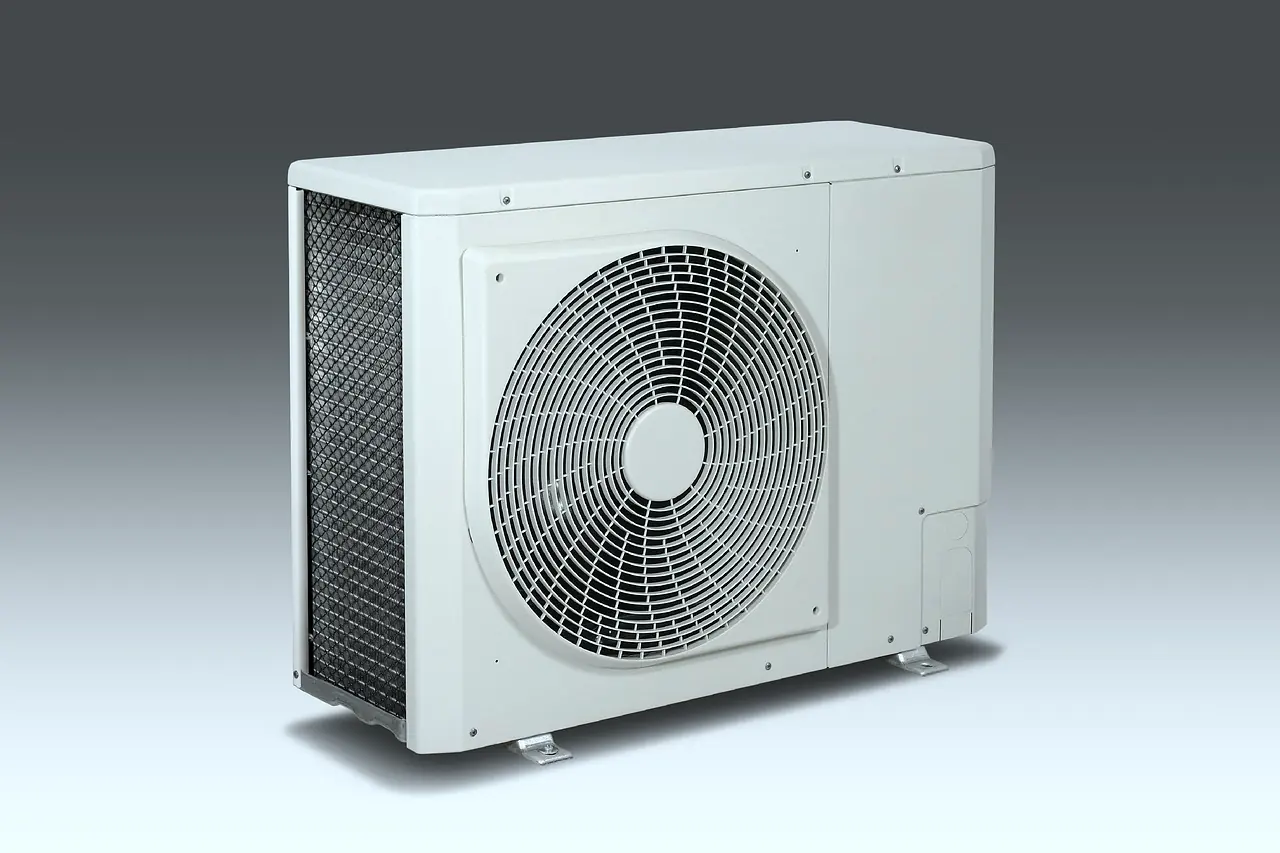
    The condenser still needs a ticket.

    A white outdoor condenser unit with a round fan grilleA blank notepad and a pen, the job word not written yet

    The condenser stays on this page because it is the trade object. A deposit on the phone does not make that unit a named job. The ticket does.

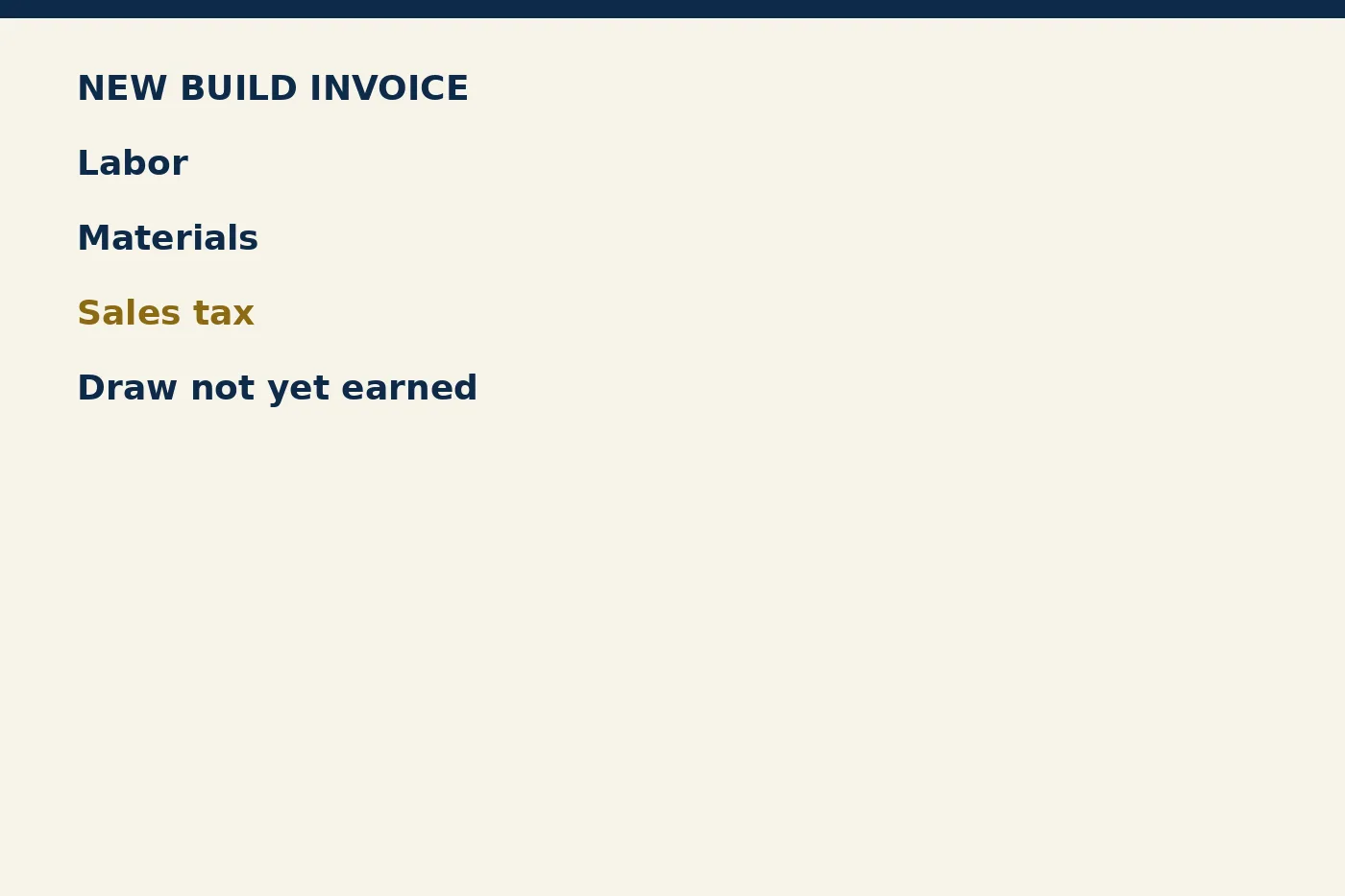
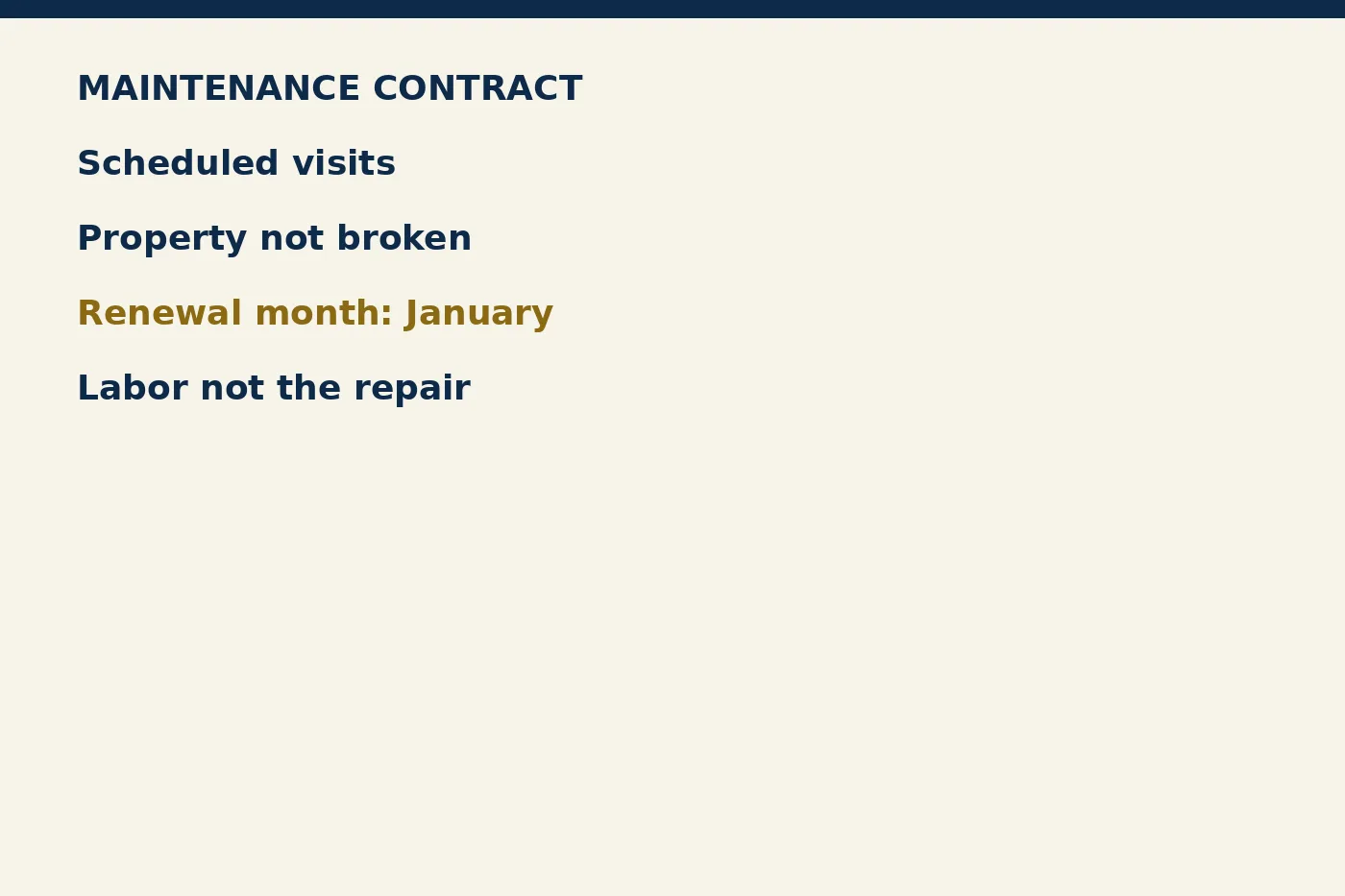
    A sales tax line on a new-build invoice, marked in goldA maintenance contract with the renewal month left blankA pay stub with the hours and the net pay left visible

    Tell us which ticket is blank.

    Name the job, or say the line is empty.

    Steven Palmieri, Tax CFO

    You will be talking to the Steven Palmieri practice.

    Keep reading.